

Cheap sensors and citizen scientists are turning rivers and creeks into real-time reporters on the health of their watersheds.
Most of a phone's environmental footprint happens before you ever turn it on, in mines, factories, and shipping lanes far from the store.
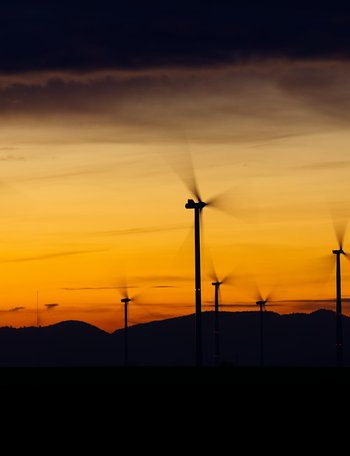
Solar and wind are cheap and clean, but they don't show up on demand, and solving that mismatch is one of the hardest puzzles in the energy transition.
A single teaspoon of healthy soil can contain billions of microorganisms, and their activities quietly underpin much of life on land.
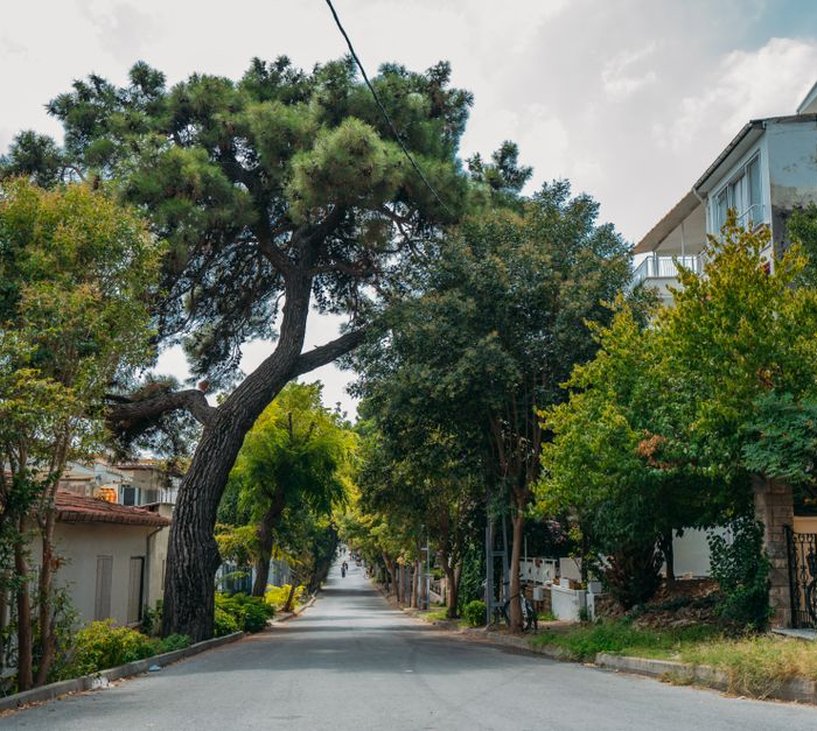
A growing body of research shows that street trees do far more than look pretty—they cool neighborhoods, filter air, and even shape how people feel.
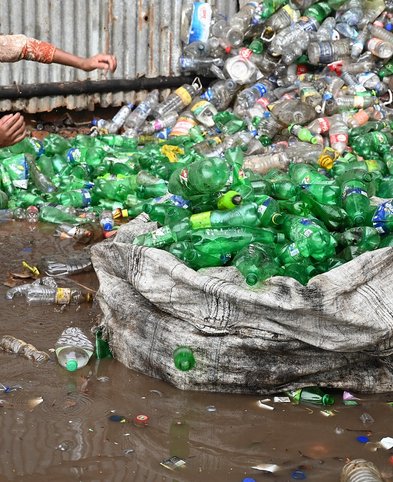
Recycling is more complicated than the little arrows suggest, and understanding the journey of a single bottle reveals why some plastics get a second life while others don't.
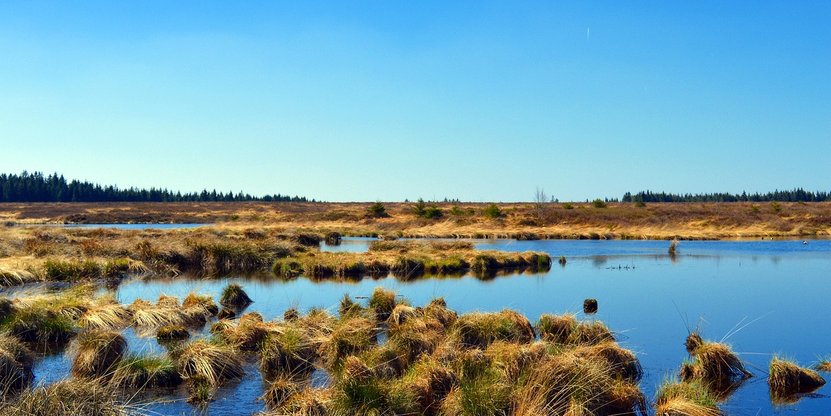
Bogs and marshes cover a small fraction of the planet but store a staggering amount of carbon—and disturbing them can release it surprisingly fast.

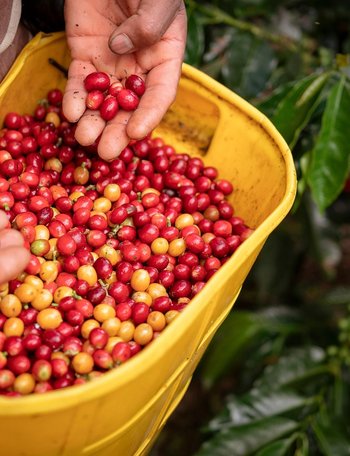
The way coffee is grown shapes everything from bird habitat to soil health, and a growing movement is pushing for methods that work with forests instead of replacing them.
Permafrost holds enormous stores of ancient carbon, and as it thaws, the question isn't whether it will be released but how fast.
Cheap sensors and citizen scientists are turning rivers and creeks into real-time reporters on the health of their watersheds.
Most of a phone's environmental footprint happens before you ever turn it on, in mines, factories, and shipping lanes far from the store.
Solar and wind are cheap and clean, but they don't show up on demand, and solving that mismatch is one of the hardest puzzles in the energy transition.


A growing body of research shows that street trees do far more than look pretty—they cool neighborhoods, filter air, and even shape how people feel.
Recycling is more complicated than the little arrows suggest, and understanding the journey of a single bottle reveals why some plastics get a second life while others don't.
You don't need a meadow to support wildlife—research suggests that even small, native-plant patches in yards and balconies can make a real difference.
Cheap sensors and citizen scientists are turning rivers and creeks into real-time reporters on the health of their watersheds.
Solar and wind are cheap and clean, but they don't show up on demand, and solving that mismatch is one of the hardest puzzles in the energy transition.


Cheap sensors and citizen scientists are turning rivers and creeks into real-time reporters on the health of their watersheds.
Read More
Solar and wind are cheap and clean, but they don't show up on demand, and solving that mismatch is one of the hardest puzzles in the energy transition.
Read More
A growing body of research shows that street trees do far more than look pretty—they cool neighborhoods, filter air, and even shape how people feel.
Read More
Solar and wind are cheap and clean, but they don't show up on demand, and solving that mismatch is one of the hardest puzzles in the energy transition.
A single teaspoon of healthy soil can contain billions of microorganisms, and their activities quietly underpin much of life on land.
A growing body of research shows that street trees do far more than look pretty—they cool neighborhoods, filter air, and even shape how people feel.